Recipe for a Pollinator Garden
Creating a pollinator garden with a recipe card.
Our backyard needs help to where I can say it’s a pollinator garden. It has a brick walkway with moss, and a few rustic rock-lined spots left by the previous owners. I’m considering placing a large order of daylilies, my favorite perrenial, to tuck into places that need color. They’ll look beautiful growing in throughout the yard. However, daylilies need to be combined with better pollinators. I’m getting the recipe card for our area.
I care about pollinators and want to share the non-profit Pollinator Partnership. They offer a lot of helpful information on all things pollinator-related.
Birds, bats, bees, butterflies, beetles, and other small mammals pollinate plants. These pollinators give us one out of every three bites of food, according to Pollinator Partnership.
To support birds in our yard, we already have around 6 bird feeders and plan to put up birdhouses on every third fence post. We’re making good progress for the birds. Oh, we can’t forget a bat house!
It's getting harder for pollinators—like bees, butterflies, and moths—to find food, breed, and survive. That's why I want to plant a pollinator garden that provides the food, water, and shelter they need.
Tips when planning a pollinator garden:
Use native plants that bloom at different times
Group plants to give pollinators shelter and nesting sites
Avoid pesticides, insecticides, and herbicides
Keep it simple. Get the recipe card!
Pollinator Partnership even has a recipe card to help you create a pollinator garden, specific to your region. I already have three of the plants on my list planted. I still need to plant the familiar Black-eyed Susan, and I’ll need to get creative to find the others.
You might already have a pollinator plant in your yard!
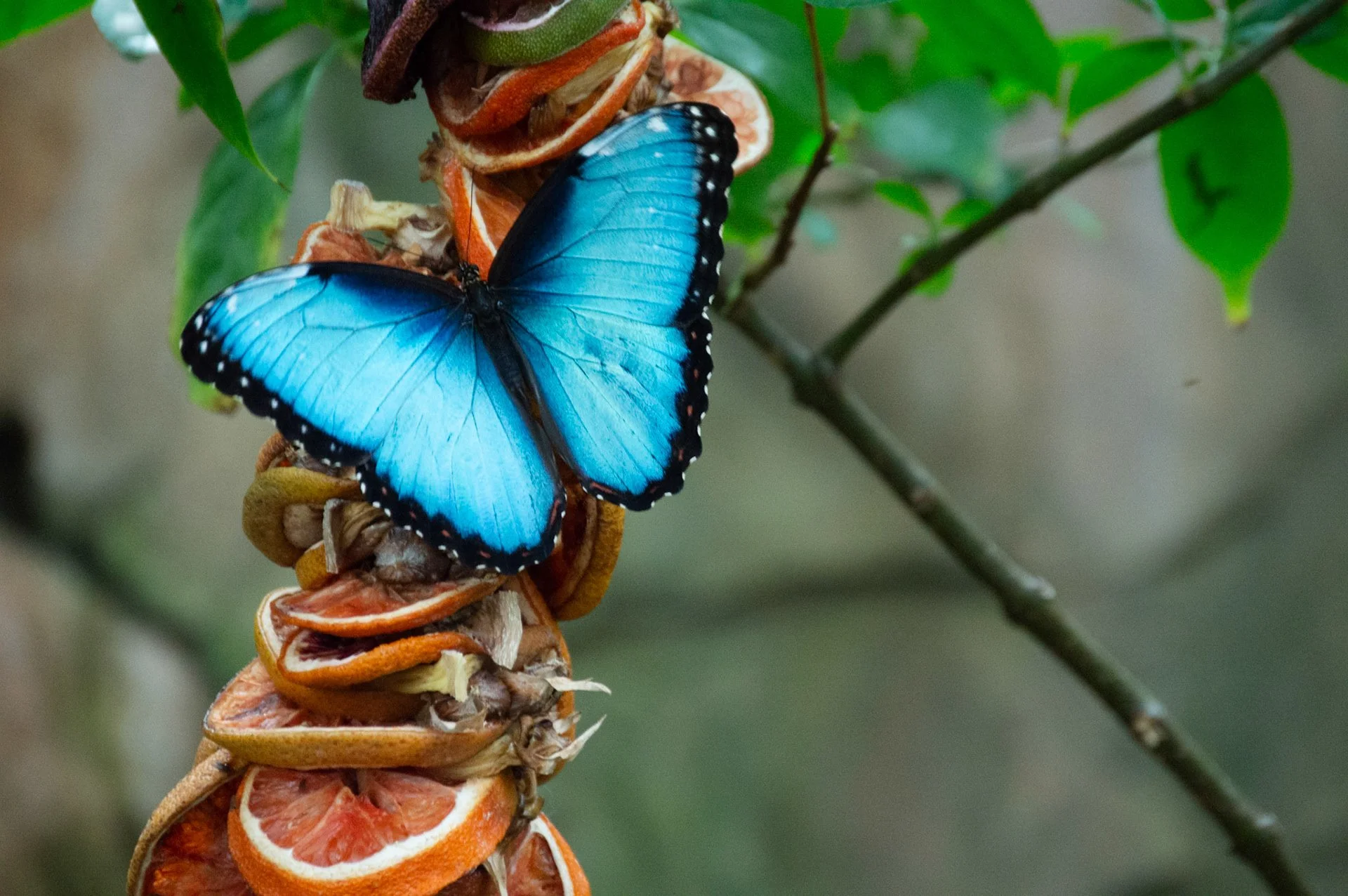
Picture of a butterfly at Meijer Gardens courtesy of Maddie Claire Photography
More sunshine and nature right this way: